Roll Forming Taps About
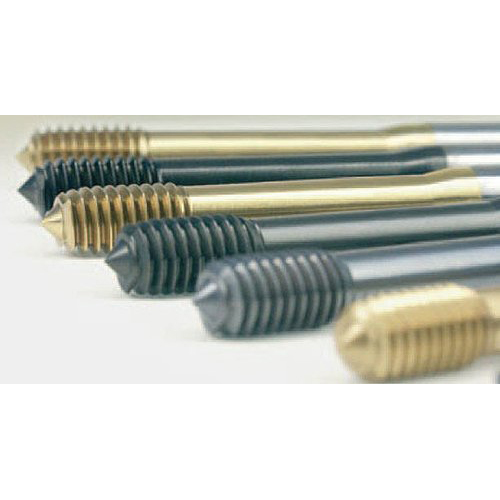
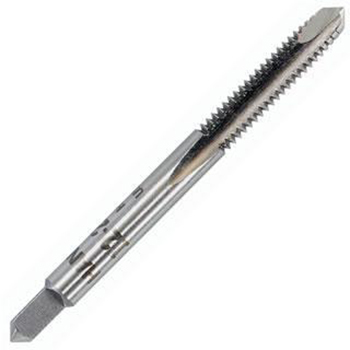
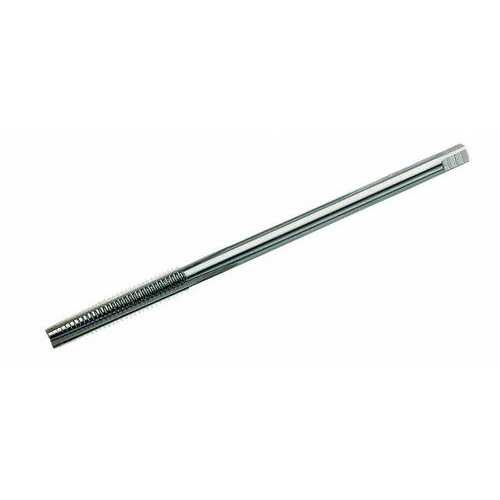
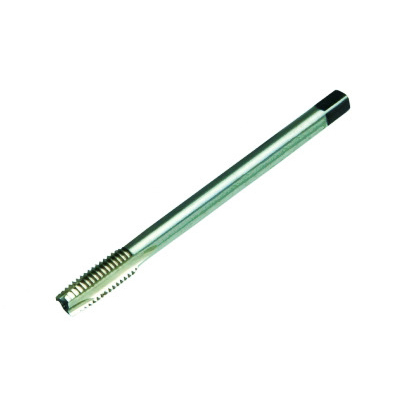
Being a topmost business entity in this respective industry, we are dedicated towards offering A-one Roll Forming Taps to the clients. These are most commonly utilized in various applications where there traditional cut tapping is not suitable. The tapping with the taps has various benefits over cut tapping including stronger threads, faster cutting speeds, stronger tap, no chips generated, and longer tool life. Rust proof and high pressure & impact resistance, the Roll Forming Taps can be availed in different sizes, grades and finishes at affordable prices.
Specification
|
Country of Origin
|
Made in India
|
|
Material
|
HSS
|
|
Brand
|
APL
|
|
Length
|
Can be made as per order
|
|
Material Grade
|
M2 & M35
|
|
Size
|
Standard and special sizes available on order
|
Optimized for Soft Metals and Non-Ferrous ApplicationsThese roll forming taps are meticulously crafted for use with soft and non-ferrous metals such as aluminum, copper, brass, and soft steel. Their specialized geometry allows for thread forming rather than cutting, reducing burrs and increasing thread strength while ensuring optimal results in even delicate materials.
Exceptional Surface Finish and Tool LongevityA polished or TiN/TiCN-coated finish enhances chip evacuation and resists wear, ensuring extended tool life and consistent thread quality. The use of robust materials like high-speed steel and powder metallurgy further guarantees durability under continuous and demanding operations.
Precision and Versatility for Modern MachiningThese taps feature standard metric sizes (M3 to M16) with a tolerance of Class 6H, making them highly adaptable for various threading tasks. Their straight or spiral flute shapes and compatibility with both automatic and manual operations allow for flexibility across different CNC, tapping, or drilling machines.
FAQ's of Roll Forming Taps:
Q: How should roll forming taps be used for optimal threading in soft and non-ferrous metals?
A: Roll forming taps perform best when used with appropriate lubrication during operation, as it reduces friction, enhances thread quality, and prolongs tool life. Ensure the selected tap size matches the application and that the machine (CNC, tapping, or drilling) is set to the recommended cutting speed (10-40 m/min) based on the material.
Q: What are the main benefits of using roll forming taps instead of conventional cutting taps?
A: Roll forming taps do not remove material; instead, they displace metal to form threads. This process eliminates chip formation, minimizes the risk of thread damage, and generally results in stronger, more precise threads with longer tool life, especially suitable for blind hole applications.
Q: When is it necessary to use a coated roll forming tap rather than an uncoated one?
A: A coated tap (TiN or TiCN) is recommended when machining harder materials or when longer tool life is desired. Coatings reduce wear, prevent galling, and offer better performance in challenging production environments or when continuous operation is required.
Q: Where can these roll forming taps be effectively utilized?
A: These taps are ideal for production environments such as machine shops, automotive workshops, and metal fabrication facilities, particularly where CNC, tapping, or drilling machines are used to process aluminum, copper, brass, and soft steel components.
Q: What is the process for selecting the right roll forming tap based on application requirements?
A: Evaluate the workpiece material, hole size, machine type, and desired thread standard. Select a tap with the proper diameter (M3-M16), flute shape (straight or spiral), and appropriate coating. Ensure compatibility with metric coarse threads or request a custom thread as necessary.
Q: Can these taps accommodate blind hole tapping, and what are their benefits for this application?
A: Yes, roll forming taps are well-suited for blind holes because they do not produce chips that could clog the hole. This leads to a cleaner threading process, minimizing secondary operations and reducing tool breakage risk.

 Send Inquiry



 Send Inquiry

 Send Inquiry
