About Spiral Point Plug Taps
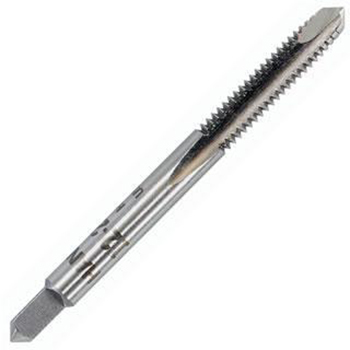
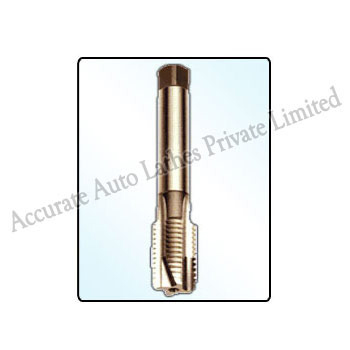
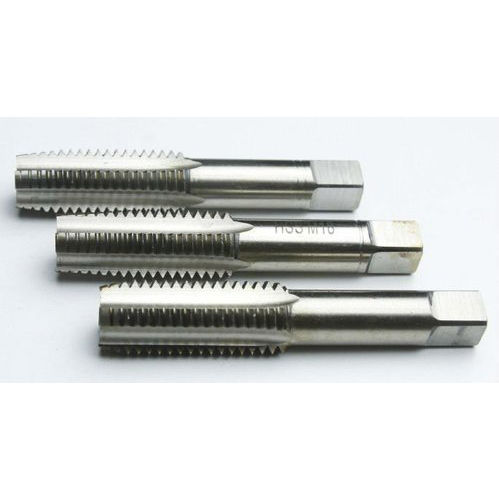
Spiral Point Plug Taps offered by us, have straight flutes. To handle the chips, they have a slanted angular gash in each flute on the front end of the tapping flute at the cutting chamfer. The taps are primarily used to tap threads into through holes. Our provided Spiral Point Plug Taps are also highly popular, because of their adaptability. Due to the shearing action of the spiral grind, they operate well in a variety of materials.
Specification
|
Country of Origin
|
Made in India
|
|
Surface Finishing
|
Polished
|
|
Material
|
HSS (M2 & M35)
|
|
Color
|
Silver
|
|
Brand
|
APL
|
|
Usage/Application
|
Industrial
|
High-Performance Through Hole ThreadingOur Spiral Point Plug Taps are specifically engineered for efficient internal threading of through holes, delivering fast chip evacuation and minimized clogging. With spiral point or gun nose flute geometries, they are suitable for machining a wide range of materials, including tough alloys. These taps offer high precision and repeatable quality, essential for mass-production workflows.
Versatile Material Compatibility and StandardsChoose from metric and imperial thread types that conform to leading international standards such as DIN 371, DIN 376, ANSI, and JIS. Manufactured from robust HSS, HSS-E, or HSS-Co, these taps perform reliably in steel, stainless steel, aluminum, cast iron, and copper, providing versatility for various manufacturing applications.
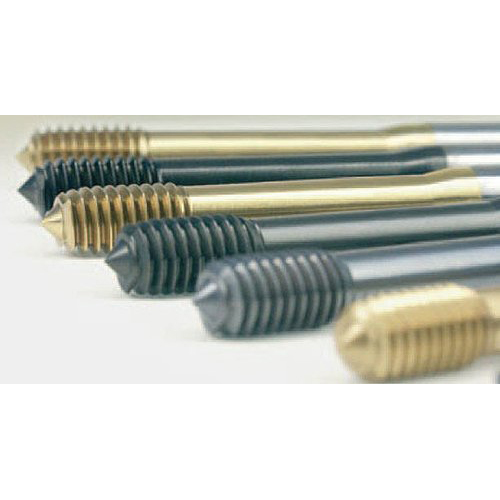
Durability and Enhanced Tool LifeSpiral Point Plug Taps are available with advanced surface treatments such as steam tempered, oxide, bright, or TiN-coated finishes, offering greater resistance to wear and heat. This, combined with recommended lubrication using cutting oil or tapping fluid, ensures long-lasting performance and consistent threading quality across production runs.
FAQ's of Spiral Point Plug Taps:
Q: How do Spiral Point Plug Taps improve threading efficiency in production environments?
A: Spiral Point Plug Taps are designed with spiral point (gun nose) flutes that efficiently push chips forward, away from the cutting zone. This minimizes clogging, providing smooth, consistent threading and allowing for higher cutting speeds and less tool downtime in high-production settings.
Q: What types of materials can be threaded using these taps?
A: These taps are suitable for machining steel, stainless steel, aluminum, cast iron, and copper. Their material construction (HSS, HSS-E, or HSS-Co) and coating options ensure excellent performance across a wide spectrum of common industrial metals.
Q: When should I choose TiN-coated Spiral Point Plug Taps over uncoated versions?
A: TiN-coated taps are recommended for demanding applications that require enhanced wear resistance and higher cutting speeds, such as in harder steels or prolonged high-volume production. The coating improves tool life and delivers smoother thread finishes.
Q: Where are Spiral Point Plug Taps typically used?
A: These taps are widely employed in manufacturing facilities, workshops, and export-oriented machining operations using tapping machines, CNC centers, and drilling machines, particularly when threading through holes in high-volume production.
Q: What is the recommended process for achieving optimal results with these taps?
A: For best results, select the appropriate ISO standard tap, ensure use of cutting oil or tapping fluid for lubrication, and operate within specified cutting parameters on suitable machinery. This preserves tap sharpness, ensures clean threads, and prevents tool breakage.
Q: How do I select the right Spiral Point Plug Tap for my application?
A: Determine the thread type (metric or imperial), diameter (M3 to M24), material compatibility, and required ISO standard. Match additional features such as coating and hardness to your specific production requirements and workpiece material to achieve optimal performance.
Q: What are the main benefits of using Spiral Point Plug Taps for through hole threading?
A: Key benefits include rapid chip evacuation, high-precision internal threads, suitability for both machine and manual operations, and long tool life, making them an ideal choice for efficient, consistent production threading in a variety of metals.

 Send Inquiry



 Send Inquiry

 Send Inquiry
