Hss Ground Thread Taps About
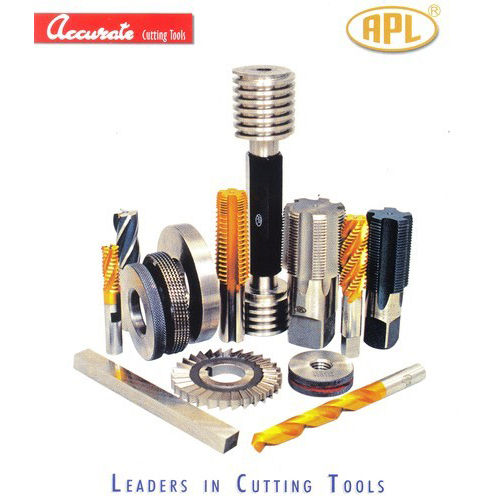
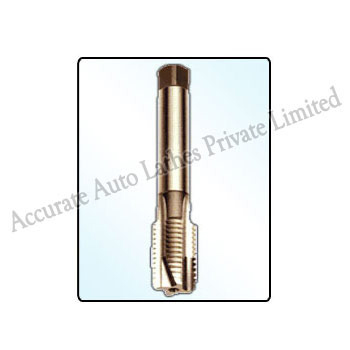
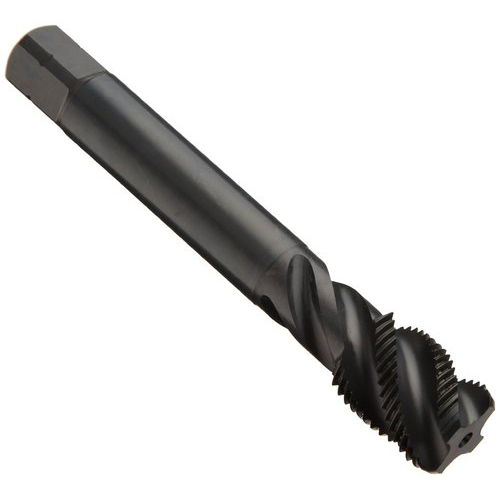
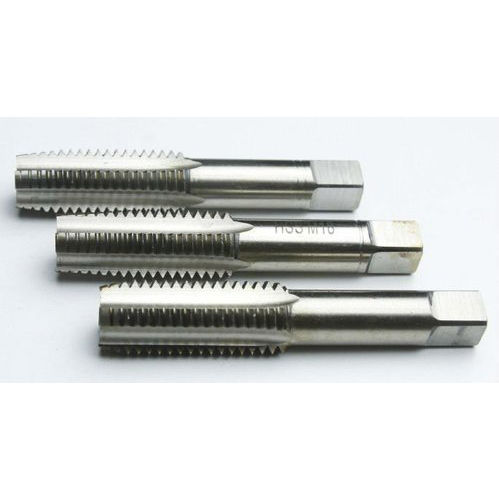
Being a leading organization in cutting tools industry, we are deeply indulged in offering a comprehensive line of the best grade HSS Ground Thread Taps. Such taps are utilized for threading high tensile steel by fitting to modern tapping machine installed various fabrication industries. Having ideal shape & size, robust structure and superior finish, these can easily be fitted to machines, and require less maintenance. Over and above, clients can acquire HSS Ground Thread Taps in various grades, sizes, shapes and finishes at affordable prices.
Specification
| Country of Origin | Made in India |
| Material | HSS (M2 & M35) |
| Brand | APL & APT |
| Make/Brand | APL & APT |
| Size | 5 Inch |
Precision Engineered for ReliabilityEach HSS Ground Thread Tap is processed using advanced grinding techniques, resulting in high-precision threading and consistent performance. The ground and polished finish ensures low friction and better chip evacuation, extending tool life and supporting high accuracy. This precision is ideal for demanding applications requiring reliable threading results.
Versatility across Materials and ApplicationsDesigned for both hand and machine tapping, these taps can handle a broad spectrum of materials, including steel, alloy steel, cast iron, and non-ferrous metals. Their compatibility with both manual and automated processes makes them highly versatile for industrial manufacturing, repair, and routine workshop tasks.
Standard Compliance and CustomizationAvailable with DIN, ISO, BS, and JIS standards, these taps meet global quality requirements. With pitch options in both metric and inch series, as well as custom diameters and lengths, users can select the most appropriate tap for their specific threading needs, ensuring operational flexibility.
FAQ's of Hss Ground Thread Taps:
Q: How do I choose the right size and standard for my HSS Ground Thread Tap?
A: Select the tap size based on your required thread diameter (M3 to M20 or custom sizes) and choose the standard (DIN, ISO, BS, JIS) that aligns with your application's regional or industry requirements. Consider the material you are tapping and match the thread pitch to your project's specifications.
Q: What materials can HSS Ground Thread Taps be used on?
A: These taps are compatible with a wide range of materials including steel, alloy steel, cast iron, and non-ferrous metals. Their durable HSS construction and precision-ground cutting edges ensure clean threads in various industrial and workshop settings.
Q: When should I use a ground thread tap with a straight shank?
A: A ground thread tap with a straight shank is ideal for both manual and machine tapping operations, particularly where high precision and wear resistance are needed. They are suitable for both blind and through holes in general manufacturing, maintenance, and repair tasks.
Q: Where can HSS Ground Thread Taps be applied?
A: These taps are used in industrial manufacturing, workshops, and maintenance operations worldwide. Their compliance with international standards and versatility across different machine types make them suitable for professional and heavy-duty applications.
Q: What are the benefits of using a ground and polished, uncoated tap?
A: A ground and polished bright-finish tap offers reduced friction, smooth chip removal, and greater dimensional accuracy. Uncoated taps are best for general-purpose tapping where thermal resistance and non-reactivity are not critical, making them suitable for most steel and non-ferrous applications.
Q: How do I properly use and maintain HSS Ground Thread Taps?
A: For optimal results, select the correct speed and feed for the material, use suitable tapping fluid, and avoid over-torqueing. Regularly check taps for wear and clean them after use to sustain precision and extend tool life. Storage in individual or set packing prevents damage during transport and handling.
Q: What is the threading process using these taps?
A: Begin by drilling the correct hole size. Insert the tap-either manually or with a tapping machine-applying moderate pressure and reversing periodically to break chips. Follow with cleaning and inspection to ensure thread quality and tool longevity.

 Send Inquiry



 Send Inquiry

 Send Inquiry
